What Are Volatile Organic Compounds? Sources, Health Risks and Why Industrial VOC Emissions Matter

What Are Volatile Organic Compounds? Sources, Health Risks and Why Industrial VOC Emissions Matter

Understanding VOC Emissions: Impact, Sources, and Industrial Importance

Volatile organic compounds, commonly referred to as VOC emissions, are a critical concern for industries seeking both regulatory compliance and sustainable operations. At BM Process Management, we support companies across coatings, petrochemical, adhesive, tank storage and more by providing expert guidance on emission controls and helping them meet VOC regulations, utilizing technologies tailored for their process needs.

What Are Volatile Organic Compounds (VOCs)?

VOCs are organic chemicals that easily become vapors or gases at everyday temperatures. Their molecules are released from both natural processes and human activities, often as byproducts from various industrial operations. While engineering pre-studies identify key emission points, understanding VOCs’ nature helps optimize control strategies and mitigate risk.

Where VOCs Originate

VOC sources can be biogenic or anthropogenic. In the industrial landscape, both categories contribute to air quality challenges and stricter compliance standards. Key emission points include:

  • Paint manufacturing and use, which release numerous VOC compounds during application and drying
  • Industrial processes in adhesives, coatings, and surface treatments
  • Biogenic volatile organic compounds released from plants and soil, which add to background levels
  • Combustion activities, such as engine operations or incineration
  • Consumer products like cleaning agents and solvents

For many facilities, a first step is detailed VOC measurement to map all emission factors impacting both indoor air pollution and outdoor regulatory limits.

Health Effects Linked to VOC Exposure

VOCs have a direct impact on worker health and community well-being. Even short-term exposure to elevated levels may result in headaches or irritation, while chronic contact can contribute to more serious conditions. A clear understanding of risk highlights the importance of robust VOC removal and control strategies.

  • In poorly ventilated spaces, interior concentrations of VOCs—especially from consumer products and paint—are often significantly higher than outdoor air
  • High levels can trigger respiratory symptoms and worsen conditions like asthma
  • Prolonged exposure is linked to certain cancers and neural effects, underlining the need for responsible emission management

Industrial operators must focus on both source minimisation and downstream treatment to protect worker health and comply with VOC regulations.

Environmental Concerns: Ozone Formation, Smog, and Ecosystem Impact

VOCs play a major role in forming ground-level ozone when they interact with nitrogen oxides under sunlight—a key driver of summertime smog. Ozone formation not only degrades air quality but also damages sensitive plants and agricultural yields, adding pressure on soil and biogenic ecosystems. These environmental impacts are central factors when evaluating emission control technologies and sustainability outcomes for any industrial process, especially in sectors where emission factors are high.

Measuring and Managing VOC Emissions

Reliable emission measurement and documentation enable companies to quantify VOC sources and evaluate technology options for regulatory compliance and cost savings. Effective VOC removal strategies often include both organisational and technological controls to address emission factors at various process stages.

  • Adopting regenerative thermal oxidation or catalytic oxidation for exhaust treatment
  • Selecting plug-and-play vapour recovery units matched to throughput and process characteristics
  • Identifying process management steps to reduce unnecessary solvent losses, especially in paint and coatings lines
  • Continuous monitoring for timely intervention and data-driven reporting to authorities
  • Peer review and education: equipping teams with the knowledge to handle emission factors and indoor air pollution risks

Our consultancy is structured around tailored support packages—from process safety reviews to full-scope process management—delivering operational clarity for Dutch industries navigating emission legislation.

Industrial Sectors Most Affected by VOC Regulations

The impact of VOC legislation varies across sectors. Industries such as coatings, adhesives, automotive manufacturing, tank storage, biogas, food and beverage, and waste recycling all face strict limits due to their potential for significant air and soil impact.

  • (1) Coatings and paint: frequent VOC emissions during formulation, storage, and application
  • (2) Automotive and surface treatment: complex emission profiles due to cleaning and solvent use
  • (3) Petrochemical and biogas: emissions are often diffuse and require advanced measurement for compliance
  • (4) Food & beverage and wastewater: both processing and cleaning cycles contribute to indoor and outdoor air pollution
  • (5) Waste recycling: VOCs generated from decomposition or during treatment phases

For each sector, emission factors and the resulting environmental impact require targeted technology solutions and ongoing regulatory alignment.

How BM Process Management Delivers Value for VOC Compliance

Our approach is grounded in experience, technical rigour, and a genuine partnership model. We work side by side with client engineering teams to:

  • Conduct thorough pre-engineering and emission factor analysis relevant to VOCs and their behaviour in specific plants and soil environments
  • Identify and implement optimal VOC removal technologies, from vapour recovery to thermal oxidation
  • Support process modifications, measurement campaigns, peer reviews, and ongoing training to strengthen regulatory compliance

BM Process Management’s transparent, hands-on service model means clients see clear results without unnecessary layers or cost—transforming emission control from a compliance burden into a value driver for long-term business performance.

Conclusion

Understanding what volatile organic compounds (VOC emissions) are, recognising their sources, and addressing both the health and environmental consequences is essential for modern industry in the Netherlands. By engaging with experienced partners who combine process knowledge, engineering support, and advanced emission control solutions, companies not only meet VOC regulations but also improve air quality, workplace safety, and long-term productivity. Reach out to our team at BM Process Management to find out how your facility can turn VOC compliance into a practical advantage.
VOC Abatement Technologies Compared: Oxidation, Adsorption, Condensation and Bio-Treatment

VOC Abatement Technologies Compared: Oxidation, Adsorption, Condensation and Bio-Treatment

Choosing the Right VOC Abatement Solution for Industrial Compliance

Managing industrial emissions is a critical responsibility for manufacturers across various sectors in the Netherlands. Businesses in adhesives, coatings, automotive, energy, and tank storage must comply with stringent regulations on Volatile Organic Compounds (VOCs) and ensure workplace safety. BM Process Management offers integrated VOC emission control solutions designed for flexible application, combining technology expertise and hands-on consultancy. Industrial leaders looking to improve pollution control can find tailored guidance at BM Process Management, where emission reduction activities are backed by trusted, real-world engineering experience.

Introduction

Volatile organic compounds form a significant share of air pollutants released during many industrial processes. Their control has become a prime environmental and operational priority, especially as regulations grow tighter and communities become more environmentally conscious. To maintain competitiveness and compliance, companies are seeking VOC abatement technologies that provide robust emission reduction, system reliability, and energy efficiency. It is essential to choose an abatement system that integrates with plant operations, minimizes maintenance, and protects workplace safety while supporting long-term sustainability goals.

Types of VOC Abatement Technologies

There are several established technology classes for controlling VOC emissions. The selection of a suitable method depends on the plant’s process streams, VOC load, temperature, and integration needs. Practical performance also ties closely to compliance objectives and total cost of ownership.

  • Oxidation Technologies: These break down VOCs through high-temperature combustion or catalysis. Thermal oxidizers, both standard and regenerative thermal oxidizer systems, convert VOCs into carbon dioxide and water, making them highly effective for high concentration streams.
  • Adsorption Methods: Often used for lower concentration gas flows, adsorption involves passing gas over materials like activated carbon, which trap VOCs until they are either removed or recovered. These systems can be periodically regenerated for continuous service.
  • Condensation Solutions: These systems capture VOCs by cooling process gas, condensing substances with higher boiling points. While best for higher VOC concentrations, condensation is often used as a pre-treatment step before further oxidation or adsorption.
  • Bio-Treatment Approaches: Biological reactors, including trickling filters and bio-scrubbers, rely on natural microbial processes to degrade VOCs. These abatement systems are ideal for biodegradable emission streams with low to moderate VOC levels.

Across these options, integrating automation and monitoring (for example, using Genano for airborne gas analysis) ensures operation remains efficient and within regulatory limits. The right choice of technology balances operational conditions, emission profiles, and the company’s investment strategy.

Health Impacts of VOCs

Controlling VOC emissions is not just a regulatory requirement but a vital step to protect worker health and community well-being. Many VOCs are hazardous air pollutants, linked to:

  • Respiratory distress and aggravation of asthma
  • Skin and eye irritation from frequent or prolonged exposure
  • Chronic effects such as headaches, fatigue, or neurological symptoms
  • Increased risk of some cancers due to certain VOC constituents

Reducing volatile organic compound concentrations in process gas safeguards personnel and reduces potential for accidental releases, supporting both compliance and corporate social responsibility. A reliable abatement system, therefore, plays a central role in workplace safety and environmental stewardship.

VOC Control Strategies

The path to effective VOC emission control for any industrial facility demands a holistic approach. Each sector faces specific process challenges, but some common strategies include:

  • Identifying emission sources through accurate monitoring and measurement, using advanced instrumentation
  • Selecting abatement technologies matched to gas flow rates, VOC types, and operational conditions
  • Implementing regular maintenance and calibration to ensure oxidizer or adsorption systems maintain design performance
  • Debottlenecking process lines to avoid overloading emission control units and ensure system longevity
  • Integrating pollution control solutions with plant automation and emergency response protocols

Support from an experienced consultancy like BM Process Management ensures the abatement system addresses both current compliance needs and future regulatory requirements. Technical support can help plants optimize energy use, introduce modular solutions such as plug-and-play Smart RTOs, and offer tailored recommendations based on emission measurement data.

Conclusions and Future Perspectives

Investing in the right VOC abatement technology is vital for Dutch industry striving for operational efficiency and enduring regulatory compliance. As the need for sustainable operations intensifies, companies are moving beyond short-term fixes, prioritizing robust, flexible solutions that deliver measurable emission reductions. Process engineering expertise, such as that offered by BM Process Management, is crucial in bridging advanced technology with practical implementation. Forward-thinking facilities remain vigilant in pollution control, continuously adapting abatement systems and management practices as regulations evolve and new air pollutants emerge.

Conclusion

The industrial sector must approach VOC abatement with both technical insight and practical commitment. By choosing and maintaining robust systems like thermal and catalytic oxidizers, effective adsorption units, or efficient condensation and bio-treatment options, companies safeguard compliance and public trust. BM Process Management provides real-world results through hands-on engineering and consultancy, emphasizing personal contact and proven process safety support. For sites seeking to future-proof their operations and achieve lasting environmental performance, engaging with an expert partner ensures substantial value and meaningful progress. To explore tailored solutions, consult BM Process Management today.

Decarbonisation in the industry – takeaways from the 8th workshop at Krantz

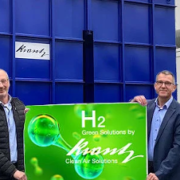
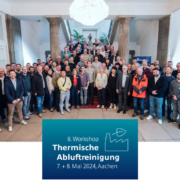
Decarbonisation in the industry.What do sticky tape, burners, hydrogen and strawberry jam have in common?On 7 and 8 May this year, we had the pleasure of participating in the 8th edition of Krantz Clean Air Solutions’ Thermal Air Purification Workshop.

A new look and introduction of a podcast channel

A new look for BM process!After starting the adventure of entrepreneurship in early 2020, we have come a long way. From a one man show from a desk in the attic to 6 team members and clients throughout Europe, great partnerships and a lot more to come. This deserved a better and fresher look, so I took to work on creating a new ‘corporate identity’ for BM Process. Not that we are anything near corporate, but anyway…

First BM Process network event hosted.

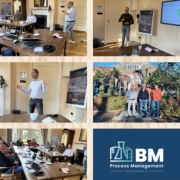
Cooperate. Grow. Learn.Recently, we hosted the first ‘BMP Network and Strategy Event’ in Huize Bergen, Vught. A very nice and inspiring location to have a meeting, only 2min from the A2 highway in the midst of a park-like garden.

We deliver your engineering

Duurzame luchtzuivering: (g)een prestatie.

We are BM Process. We keep challenging.