Engineering & Process Integration for Air and Water Emissions Control

Wastewater treatment plants (WWTPs)—both municipal and industrial—present complex engineering challenges. In addition to water purification, they are significant sources of airborne emissions from biological processes, chemical dosing, and sludge handling. Key pollutants include:

WhatsApp Image 2026-01-06 at 12.57.18

Why Emissions Must Be Managed

Odor & Community Relations

Persistent odors affect surrounding communities and risk complaints or reputational damage

Worker Health & Safety

Gases like H₂S and NH₃ pose serious risks even at low levels

Regulatory Compliance

Strict VOC and odor limits apply; non-compliance can halt operations

Asset Protection

Corrosive gases shorten equipment life and increase downtime

Biogas Utilization

Cleaning biogas improves energy recovery and protects CHP or upgrading systems
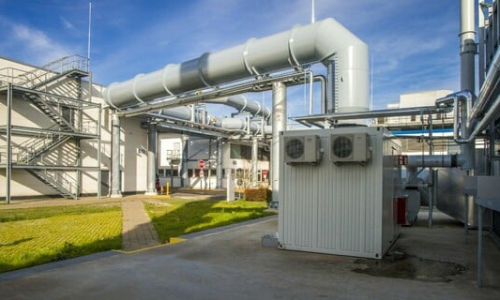
Our Services: Engineering First, Emissions Controlled

At BM Process, we specialize in engineering and integrating customized emission control technologies into new or existing wastewater systems. Our strength lies in combining process engineering with deep understanding of air and water emissions behavior.

Process & mechanical engineering for WWTP upgrades or new builds

Integration of emission control units with digesters, sludge lines, or aeration systems

Selection and layout of treatment packages to fit plant hydraulics, footprint, and flow logic

Automation, E&I, and interlock design for safe and efficient operation

Emission Control Technologies We Engineer and Integrate

Biofilters for sustainable odor and H₂S abatement

Wet Chemical Scrubbers (acid/alkali) for NH₃, H₂S, and water-soluble VOCs

Activated Carbon Systems for polishing air from enclosed areas

Enclosed Flares & Biogas Safety Equipment for digester gas handling

Thermal Oxidizers for industrial applications with complex or hazardous off-gas

Smart Integration = Cleaner Air + Cleaner Water

We always take a holistic approach:
We always take a holistic approach: studies
Material selection suited to corrosive and hygienic environments (e.g. FRP, stainless steel)
ATEX-compliant design for explosive gas zones
Energy and heat integration with existing blowers, digesters, or drying systems
Scroll to top

Built with creativity and care by DigitalSpan

WordPress Cookie Plugin by Real Cookie Banner