Engineering

Engineering

Smart Solutions, Real Value.

Process Engineering

We live and breathe process engineering. There’s nothing more exciting to us than optimizing, designing, and troubleshooting systems that move, mix, react and separate. Pumps, tanks, columns, reactors, separators—you name it, we’re all-in! Turning complexity into efficiency is what drives us every day.

  • Process engineering from developing heat & mass balances to P&ID’s, calculations, safety studies and much more. Process engineering is our passion.
  • Multidisciplinary projects break away from the norm with our different approach to projects
  • Owner’s engineer get the expertise on board as part of your own team. When and where you require.

From Concept to Completion
Every stage of a project—from the initial idea to final delivery—requires a unique approach. Our engineering team works closely with you to define your scope and identify the best solutions, always keeping your best interests at heart. With deep expertise in brownfield projects, we prioritize seamless integration with existing processes, cost efficiency, and uninterrupted production.

Whether you’re in oil, gas, chemicals, or food, the fundamentals of process engineering remain the same. But true innovation comes from thinking beyond industry boundaries—applying smart solutions from other sectors to unlock unexpected benefits. Because for us, success isn’t just about deliverables—it’s about real results.

Process engineering services include:
  • Process flow diagrams
  • Process & Instrumentation Diagrams (P&ID’s)
  • Hydraulic calculations
  • Pump layout and design
  • Relief valve studies
  • Heat- and mass balances
  • Process descriptions
  • Heat exchanger calculations & design

Tank storage projects

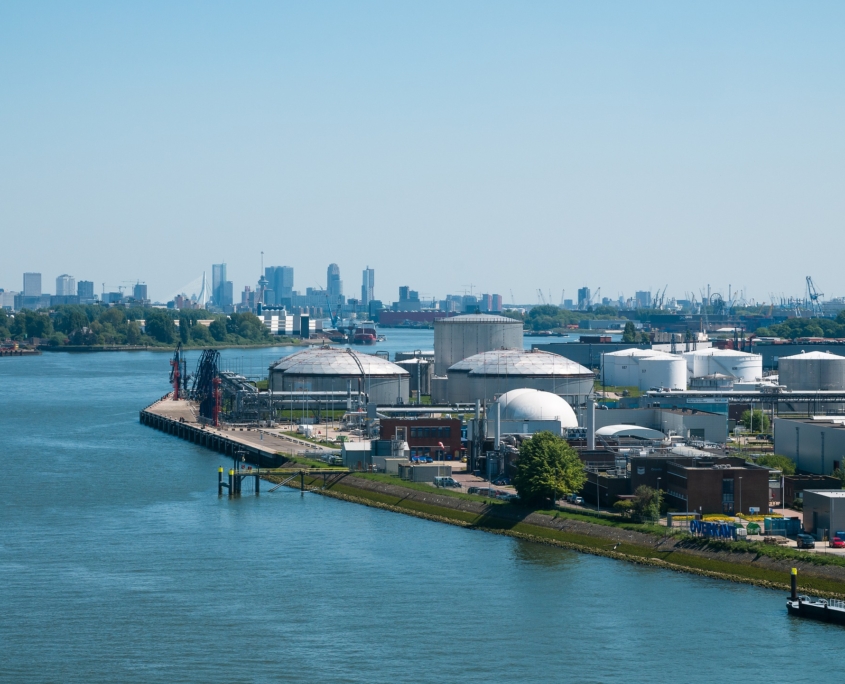
Tank storage and transportation is a vital link in the global supply chain of liquid and gaseous bulk products: a small part of the total value chain of products, but with a great effect on the total product cost and delivery chain efficiency.

Championing Process Engineering in Tank Storage
Traditionally, process engineering hasn’t received the attention it deserves in the tank storage industry. But at BM Process, we’re passionate about changing that!

With smart engineering solutions, we help you achieve real, measurable results—because great process engineering makes all the difference.

What can we do for you? Well, here’s a list of some of the things we love doing:

  • Layout and design of new tank storage facilities: engineering studies
  • Definition of pumping systems, capacities, line sizing, water hammer calculations
  • Layout of jetties, rail- and road loading facilities
  • Tank breathing and relief studies
  • Vapor handling- and transportation infrastructure
  • Floating roof tank (IFR/EFR) emission reduction systems (under-roof extraction)
  • Emission treatment systems and vapour recovery systems
  • Utility and power systems (water, compressed air, nitrogen, steam, electricity, )
  • Process safety studies

Whether as a designer, engineering contractor, consultant or as an external reviewer: take on board experts who truly understand your business from start to finish.

Owner’s engineer

True added value to your team

Getting an expert in your team as owner’s engineer allows you to focus on your core business. Owing to extensive experience on all sides of the table, BM Process Management will act to protect your interests in projects when dealing with suppliers, consultants, engineers and contractors. Fill the gap in your team and deliver projects with success. We have experts available in the fields of process engineering, automation, instrumentation, electrical and commissioning. Get in touch to discuss how we can best suit your requirements.

How we work

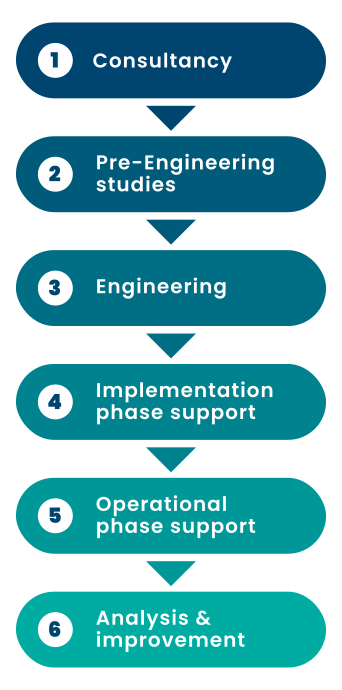
Our support systematically spans all phases in the life cycle of industrial process systems

Multidisciplinary projects

Engineering for multidisciplinary projects is no easy feat. Often you get the large engineering firms involved that deliver good work. At a significant cost. This is due to high overhead costs and rigid procedures.

We like to break away from this norm. You too? Then read on…

To execute a project, engineering on all levels needs to be performed. Here our smart and pragmatic approach comes to show its full potential. We believe that smaller (sub 5 MMEuro) and brownfield projects benefit from an approach where we take care of the conceptual and basic+ engineering, delivering RFQ packages that can be executed by your preferred contractors including the detailed engineering.

With our engineering partner Quanta Process Solutions, we can deliver complete engineering packages. A local partner combined with the benefit of a powerful engineering team.

What can we do?

  • Piping engineering & 3D modeling
  • Civil & structural engineering
  • Electrical & Instrumentation
  • Process automation
  • Process safety engineering
  • Project management
  • Project planning

Your Advantage? Engineering Excellence, Without the Excess.

As your trusted local partner, we offer direct communication and real engineering expertise. In our network we have all the experts available. Together, we define a clear scope upfront, minimizing rework and keeping you in full control.

The best part? Our streamlined approach ensures an unbeatable price-to-quality ratio. No unnecessary documentation, no bloated overhead—just smart, efficient engineering. Lean and mean. That’s how we like it.

Quanta Process Solutions

Quanta Process Solutions Private Limited, located in Vadodara, India,  is a leading mid-sized integrated EPCM Company. They provide concept-to- completion design, engineering services and modular plant supplies to the oil & gas, hydrocarbons and chemicals process industries.

As a team, we offer the highest quality knowledge-based solutions to our clients. Our Engineering Excellence for a better future enable our clients to obtain the highest benefits from their investments in the process industry.

Knowledge base

Welcome to our Knowledge Base, a dedicated platform showcasing our expertise in engineering, emission control, and project execution. Explore our comprehensive content and stay ahead in the ever-evolving industrial landscape.

This month’s feature: emission control in tank storage

In March, the 20th edition of StocExpo is held in Ahoy Rotterdam. Stocexpo is the leading event for safe and sustainable tank storage. We wrote an article detailing our approach to facing the challenges of a changing world in Tank Storage Magazine.

Read it here >>

What Is a P&ID Drawing? Meaning, Symbols and Uses

BM PROCESS · FAQ

What Is a P&ID Drawing? Meaning, Symbols and Uses

By the BM Process Management engineering team · Reviewed by our process and instrumentation engineers · Last reviewed: September 2026

A P&ID, or Piping and Instrumentation Diagram, is a detailed schematic that shows the equipment, piping, valves, instruments and control loops of a process and how they connect. It is the single most referenced document across the life of a process plant.

This page answers the common questions about P&ID drawings: what P&ID stands for and means, what a P&ID is used for in engineering, how it differs from a PFD, what its symbols mean, how P&IDs are developed and kept accurate, and what P&ID engineering services involve. BM Process develops and updates P&IDs as part of its process engineering work.

What Is a P&ID Drawing: Frequently Asked Questions

P&ID meaning and basics

What is a P&ID drawing?

A P&ID, or Piping and Instrumentation Diagram, is a detailed schematic that shows the equipment, piping, valves, instruments and control loops of a process and how they connect. It is the master reference for how a process plant is built and operated, used by engineers across design, construction, commissioning, operation and safety reviews.

What does P&ID stand for?

P&ID stands for Piping and Instrumentation Diagram (sometimes Process and Instrumentation Diagram). The name captures its two roles: showing the piping and equipment that make up the process, and the instrumentation and control that measure and regulate it.

What does P&ID stand for in engineering?

In engineering, P&ID stands for Piping and Instrumentation Diagram. It is the detailed drawing that defines how a process is piped, equipped, instrumented and controlled, and it serves as the working reference for design, construction, commissioning, operation, maintenance and safety studies.

What is P&ID in engineering?

In engineering a P&ID is the detailed diagram that defines how a process is piped, equipped, instrumented and controlled. It is more detailed than a process flow diagram and, because it captures every line, valve and instrument, it functions as the shared technical language of a process plant.

What does P&ID mean?

P&ID means Piping and Instrumentation Diagram. It is the schematic that records the equipment, pipework, valves, instruments and control loops of a process and how they are connected, so everyone working on the plant reads it the same way.

Is there a difference between P&ID, PID, PI&D and P & ID?

These are all the same thing written differently. P&ID is the standard form, PID and P and ID are common shorthands (a PID here is not the same as a PID control loop), and PI&D is an occasional variant. All refer to the Piping and Instrumentation Diagram, so the meaning does not change with the spelling.

What a P&ID is used for

What is a P&ID used for in engineering?

P&IDs are used throughout a plant’s life: to define the design, to guide construction and installation, to support HAZOP and other safety studies, to plan commissioning and operation, and to manage modifications. Because they capture every line, valve and instrument, they are the single most referenced document in process engineering.

Who uses P&ID drawings?

Process, mechanical, instrumentation and control engineers use P&IDs during design; construction and commissioning teams use them to build and start up the plant; operators and maintenance staff use them to run and troubleshoot it; and safety teams use them for HAZOP and risk studies. They are a shared language across every discipline on a project.

Why are accurate P&IDs so important for safety?

Because HAZOP and other hazard studies work directly from the P&ID, any error or omission can hide a real risk. Accurate, current P&IDs ensure that safety reviews, operating procedures and modifications are all based on how the plant actually is, not how it once was. Out-of-date P&IDs are a common root cause behind avoidable incidents.

P&ID vs PFD, symbols and design

What is the difference between a P&ID and a PFD?

A Process Flow Diagram (PFD) gives the high-level picture: major equipment, main flows and key operating conditions. A P&ID goes far deeper, adding every pipe, valve, instrument and control loop needed to actually build and operate the plant. The PFD tells you what the process does; the P&ID tells you exactly how it is put together.

What symbols are used on a P&ID?

P&IDs use standardised symbols for equipment, valves, piping and instruments, with tag numbers and instrument bubbles identifying each item and its function. Standards such as ISA and ISO define these symbols so that any qualified engineer can read the diagram consistently. Consistent symbology is what makes a P&ID a reliable communication tool across teams.

What is P&ID design?

P&ID design is the work of laying out and detailing the piping and instrumentation diagram so it correctly and consistently represents the process: selecting and placing equipment, routing lines, adding valves, instruments and control loops, and applying standard symbols and tag numbers. Good P&ID design makes the drawing unambiguous for design, construction, safety and operation.

What software or program is used to create P&ID drawings?

P&IDs are produced in dedicated engineering drawing tools, ranging from general CAD packages to specialised P&ID software that understands tags, symbols and connectivity and can link the drawing to instrument and equipment databases. The specific program matters less than disciplined use of consistent standards, symbols and tagging, which is what makes the resulting drawing reliable.

Developing, maintaining and P&ID services

How is a P&ID developed?

A P&ID is developed iteratively: it starts from the PFD and process design, then piping, equipment, instrumentation and control detail are added and refined through design reviews and safety studies. It continues to evolve as the plant is built and modified, so keeping P&IDs accurate and up to date is an ongoing engineering responsibility, not a one-off task.

What is P&ID development?

P&ID development is the process of creating and progressively refining the Piping and Instrumentation Diagram, from the first issue based on the PFD through detailed design, safety review and as-built updates. It also covers bringing legacy or outdated drawings back in line with the real plant.

What are P&ID engineering services?

P&ID engineering services cover the creation, development and updating of Piping and Instrumentation Diagrams, from new designs to bringing legacy drawings back in line with the as-built plant. This includes applying consistent standards, tagging and control detail so the P&IDs are reliable for design, safety and operation.

Can BM Process help with P&ID development?

Yes. BM Process develops and updates P&ID drawings as part of its process engineering work, ensuring they follow recognised standards and accurately reflect the process for design, safety studies and operation. To discuss P&ID support, outline your needs at https://bmprocess.nl/.

About BM Process Management

Written and reviewed by the BM Process Management engineering team. BM Process Management is an industrial process engineering consultancy based in the Netherlands, developing and updating P&IDs and supporting design, safety studies and operation for industrial clients across Europe. The answers on this page reflect field experience in process engineering and P&ID development.

HAZOP, HAZID and LOPA: Process Safety Studies Explained

BM PROCESS · FAQ

HAZOP, HAZID and LOPA: Process Safety Studies Explained

By the BM Process Management engineering team · Reviewed by our process-safety engineers · Last reviewed: September 2026

HAZOP, short for Hazard and Operability study, is a structured, systematic technique for identifying hazards and operability problems in a process. Together with HAZID and LOPA it forms the core of modern process safety studies.

This page explains what HAZOP means and stands for, how a HAZOP study and review process work, how HAZID and LOPA differ and fit in, who is on a HAZOP team, and how these relate to Hazard Analysis and Critical Control Point (HACCP) thinking. BM Process facilitates these studies as part of its process engineering work.

HAZOP, HAZID and LOPA: Frequently Asked Questions

HAZOP basics and meaning

What is HAZOP and what is a HAZOP?

HAZOP, short for Hazard and Operability study, is a structured, systematic technique for identifying hazards and operability problems in a process. A multidisciplinary team examines the design, usually working from P&IDs, and applies guide words to each part of the process to find ways it could deviate from intent and what the consequences would be. It is one of the most widely used process safety methods in the world.

What does HAZOP stand for and what is its full form?

HAZOP stands for Hazard and Operability study. The name reflects its dual purpose: finding both safety hazards and operability issues that could stop the process running as intended.

What does HAZOP mean?

HAZOP means Hazard and Operability study: a facilitated, team-based examination of a process design that works through it section by section to find credible deviations from the design intent and their consequences.

What is the HAZOP methode or method?

The HAZOP method divides the process into nodes and applies standard guide words to each parameter to prompt the team to consider every credible deviation. It is deliberately systematic so that hazards are found by structured questioning rather than left to chance.

How a HAZOP study and review work

How does a HAZOP study work?

A HAZOP team divides the process into sections or nodes and, for each, applies guide words such as no, more, less, reverse and as well as to parameters like flow, pressure and temperature. For every credible deviation the team identifies causes, consequences, existing safeguards and any actions needed. The structured, node-by-node method is what makes HAZOP so thorough.

What is the HAZOP review process?

A HAZOP review is a facilitated, team-based examination of a defined design, worked through node by node. The facilitator leads the team in applying guide words to each node, the team records causes, consequences, existing safeguards and actions for each credible deviation, and those actions are tracked to closure so the review leads to real improvements rather than just a report.

What is a HAZOP analysis?

A HAZOP analysis is the examination and documentation of each credible deviation found during the study: its cause, its consequence, the safeguards already in place and any further action required. The output is an action list that drives design or procedural changes.

Can AI help with HAZOP and LOPA?

AI tools can assist a HAZOP or LOPA by helping organise nodes, capture records and check consistency, but the study itself relies on the judgement of an experienced multidisciplinary team and a trained facilitator. The value of the study comes from human expertise applied systematically, with any tool used only to support that process.

HAZID, LOPA and the HAZOP team

What is a HAZID study?

HAZID, or Hazard Identification study, is a broader, earlier-stage review that identifies hazards across a project or facility, including external and site-wide risks, before the design is detailed enough for a full HAZOP. It casts a wide net early, so major hazards are recognised while there is still freedom to design them out.

What is the difference between HAZID and HAZOP?

HAZID is broad and early: it identifies the range of hazards, including external ones, at a high level, often in concept or early design. HAZOP is detailed and later: it systematically examines a defined design, usually from P&IDs, for deviations and operability issues. HAZID asks what could threaten this project; HAZOP asks how this specific design could go wrong.

What is LOPA and how does it relate to HAZOP?

LOPA, or Layer of Protection Analysis, is a semi-quantitative method used after HAZOP to judge whether the existing safeguards are enough to reduce a specific risk to a tolerable level. It counts and credits the independent protection layers and shows where additional safeguards may be required. HAZOP finds the scenarios; LOPA tests whether they are adequately protected.

Who is in a HAZOP team?

A HAZOP team is deliberately multidisciplinary, typically including process, mechanical, instrumentation and operations expertise, led by an independent, trained facilitator and supported by a scribe. The mix of perspectives is essential: hazards are often found precisely because people from different disciplines see the same design differently.

When should a HAZOP be carried out?

A HAZOP is normally carried out when the design is mature enough to have firm P&IDs, and it is repeated for significant modifications and periodically over a plant’s life. Earlier hazard reviews such as HAZID cover the concept and early design stages, so hazard management is continuous rather than a single event.

HACCP and critical control points

What is Hazard Analysis and Critical Control Point (HACCP)?

HACCP is a systematic method for managing safety by identifying the significant hazards in a process and the critical control points where they must be controlled, then setting limits and monitoring at those points. It is best known in food safety but shares its underlying logic with process hazard studies: find the hazards, find where they must be controlled, and prove they are.

What is a critical control point and what does it mean?

A critical control point is a step in a process where control is essential to prevent, eliminate or reduce a hazard to an acceptable level. Identifying these points, and setting measurable limits and monitoring for each, is central to HACCP and to risk-based safety management generally.

What is a control point in food and what are critical control points?

In food safety a control point is any step where a hazard can be controlled, and critical control points are the steps where control is essential and must be verified. The same hazard-led logic underlies process safety studies in industry.

What are critical limits in HACCP?

Critical limits are the measurable boundaries at each critical control point that separate safe from unsafe conditions, for example a minimum temperature or a maximum time. Monitoring confirms the process stays within these limits, and defined corrective actions apply if a limit is breached.

How does HACCP relate to HAZOP and process hazard studies?

HACCP and HAZOP share the same core logic: systematically identify hazards and make sure each is controlled where it matters. HACCP centres on critical control points and their limits and is the standard in food safety, while HAZOP centres on deviations from design intent and is the standard in process industries. Both are structured, hazard-led methods aimed at controlling risk rather than reacting after the fact.

Can BM Process facilitate HAZOP and process safety studies?

Yes. BM Process supports process safety through structured studies such as HAZOP, HAZID and LOPA, drawing on multidisciplinary process engineering expertise to identify and control risk. To arrange a study or discuss your requirements, get in touch via https://bmprocess.nl/.

About BM Process Management

Written and reviewed by the BM Process Management engineering team. BM Process Management is an industrial process engineering consultancy based in the Netherlands, facilitating HAZOP, HAZID and LOPA and other process safety studies for industrial clients across Europe. The answers on this page reflect field experience in process safety and risk management.

Vapour Recovery Units (VRU): How They Work, Types and Uses

BM PROCESS · FAQ

Vapour Recovery Units (VRU): How They Work, Types and Uses

By the BM Process Management engineering team · Reviewed by our vapour recovery and emission control engineers · Last reviewed: September 2026

A vapour recovery unit (VRU) is a system that captures hydrocarbon vapours that would otherwise be vented during storage, loading or processing, and returns them to a usable liquid or fuel-gas stream. Instead of losing product and emitting VOCs, a VRU recovers the vapour, cutting both emissions and losses at the same time.

This page explains how a vapour recovery unit works, its main components such as the compressor and vapour recovery tower, the recovery methods and VRU packages available, and where VRUs are used in oil and gas, at tank terminals and on truck and marine loading. BM Process designs and integrates vapour recovery units end to end.

Vapour Recovery Units (VRU): Frequently Asked Questions

VRU basics and how it works

What is a vapour recovery unit (VRU) and what does VRU stand for?

A vapour recovery unit, or VRU, is a system that captures hydrocarbon vapours that would otherwise be vented during storage, loading or processing, and returns them to a usable liquid or fuel-gas stream. VRU stands for vapour recovery unit (also written vapor recovery unit). Instead of losing product and emitting VOCs, a VRU recovers the vapour, cutting both emissions and losses. It is a core building block of any modern vapour emission control system.

How does a vapour recovery unit work?

Vapours displaced from a tank or loading arm are collected and drawn into the unit, where they are typically compressed, then condensed or absorbed so the hydrocarbons return to liquid form while clean gas is released or reused. Common methods are compression and condensation, carbon or lean-oil absorption, and membrane separation. The choice depends on vapour composition, flow rate and recovery target.

What is a vapour recovery unit compressor?

The compressor is the heart of many VRUs. It raises the pressure of the collected vapour so it can be condensed back to liquid or pushed into a fuel-gas or absorption system. Compressor selection, sealing and control are critical to reliable recovery and safe operation, which is why VRU packages are engineered around the vapour’s flow, pressure and composition rather than bought off the shelf.

What is a vapour recovery tower and how does it differ from a VRU?

A vapour recovery tower is a vessel used mainly at oil production sites to capture the low-pressure flash gas that comes off crude before it reaches the storage tanks, stabilising the liquid and routing the recovered vapour on for compression or further recovery. It often works together with a VRU: the tower captures and separates the vapour, and the recovery unit compresses and processes it.

VRU types, methods and packages

What are the main types and methods of vapour recovery system?

The main recovery methods are compression and condensation, in which the vapour is compressed and cooled back to liquid; absorption, in which the vapour is absorbed into a lean oil or passed over activated carbon and then stripped; and membrane separation, which uses selective membranes to concentrate and recover the hydrocarbons. Many real systems combine methods in stages, and the right choice depends on vapour composition, flow and recovery target.

How do you design and size a vapour recovery unit?

Sizing starts with the peak and average vapour flow, the vapour composition and the target recovery or emission limit. From there the recovery method, compressor duty, condensation or absorption stages and controls are engineered together. A well-designed VRU balances recovery efficiency, energy use and reliability rather than simply maximising one of them. BM Process handles this design and integration end to end.

What is a VRU package and what does it include?

A VRU package is a pre-engineered, skid-mounted unit that bundles the compressor, separation or condensation equipment, instrumentation, safety systems and controls into a single deliverable. Packaging shortens installation time and simplifies integration with the wider vapour control system, while still being tailored to the site’s vapour stream.

Can a VRU be used for natural gas as well as liquids?

Yes. VRUs are widely used to recover natural gas and light hydrocarbons that would otherwise be flared or vented, for example casinghead or tank flash gas at production sites. Recovering this gas returns saleable product and cuts methane emissions. The unit is configured for the specific gas composition and pressure.

Who manufactures VRUs, and how big is the vapour recovery units market?

VRUs are supplied by specialist packagers and engineering firms, and the vapour recovery units and services market has grown as emission limits have tightened worldwide, including in oil and gas. Rather than a fixed product, each unit is engineered to the site’s vapour stream, which is why the design and integration matter more than the badge.

Uses in oil, gas, storage and loading

Where are vapour recovery units used in oil and gas?

In oil and gas, VRUs are used on crude and product storage tanks, at truck and rail loading racks, on marine loading jetties and around process equipment where light hydrocarbons flash off. They capture vapours that would otherwise be flared or vented, recovering saleable product and keeping VOC and methane emissions within permit limits.

What is a tank vapour recovery system for storage tanks?

A tank vapour recovery system captures the vapours that storage tanks give off as they are filled or as temperature and pressure change through the day. Instead of venting through the tank’s pressure or vacuum vents, the vapour is collected and sent to a recovery unit. This is a common way to cut both product loss and VOC emissions from tank farms while keeping the tanks within their permit.

What is a vapour recovery system for truck loading?

During truck loading, liquid entering the tanker displaces vapour that must go somewhere. A truck-loading vapour recovery system collects that displaced vapour through the loading arm and routes it to a VRU or vapour destruction unit instead of the atmosphere. It is a standard requirement at compliant loading terminals and protects both air quality and operators.

What is marine vapour recovery?

Marine vapour recovery captures the large volumes of vapour displaced when a vessel is loaded at a jetty. Because marine loading rates are high, these systems are sized for large, variable flows and must meet strict safety and interlocking standards. They combine vapour collection, safety equipment and either recovery or destruction of the collected vapour.

What is a gasoline or fuel vapour recovery system?

A gasoline or fuel vapour recovery system captures the petrol vapours displaced during storage and loading, which are both a valuable product and a significant VOC source. At terminals and depots the displaced vapour is collected and recovered rather than released. The same principle applies from large loading racks down to fuel dispensing, though industrial systems are engineered for far higher flows.

Where is a VOC recovery unit used and what about drum filling?

A VOC recovery unit captures volatile organic compounds from storage, loading, drum filling and process vents so the solvent or hydrocarbon can be reused and emissions cut. It is used across oil and gas, chemicals and any operation that handles volatile liquids. The recovery method is matched to the specific VOCs present.

Recovery vs destruction, control and maintenance

What is the difference between a vapour recovery unit and a vapour destruction unit?

A vapour recovery unit turns captured vapour back into usable product, so it pays back through recovered material. A vapour destruction unit, such as a thermal or catalytic oxidiser, burns the vapour to a harmless state without recovering it. The right choice depends on vapour value, flow rate and site constraints; often the two are combined, with recovery as the primary route and destruction as backup.

What is a vapour control system and how does refinery vapour control fit in?

A vapour control system is the wider set of equipment that manages hydrocarbon vapours across a site, combining vapour collection, recovery units, destruction units where needed, safety devices and controls. A VRU is one component within it, working alongside the wider emission control train. At refineries and terminals, designing the control system as a whole, rather than adding equipment piece by piece, is what keeps a site compliant and efficient.

What does VRU repair and maintenance involve?

VRU maintenance focuses on the parts that do the work under pressure and cyclic duty: the compressor and its seals, valves, instrumentation, and the condensation or absorption media. Reliable recovery depends on keeping these in good order and on the controls being correctly tuned. Because a VRU protects both compliance and product, planned maintenance and prompt repair of any fault are important to avoid unplanned venting.

Does BM Process design and integrate vapour recovery units?

Yes. BM Process designs and integrates vapour recovery units for storage, loading and process applications, handling the sizing, recovery-method selection, packaging and integration with the wider vapour and emission control system. Because we combine process engineering with emission control, the VRU is designed as part of the plant it serves. Outline your requirements at https://bmprocess.nl/.

About BM Process Management

Written and reviewed by the BM Process Management engineering team. BM Process Management is an industrial process and emission control engineering consultancy based in the Netherlands, providing independent engineering, abatement and emission monitoring services for industrial clients across Europe. The answers on this page reflect field experience in designing and integrating vapour recovery units.


Trusted by industry leaders

Reviews

“I rarely come across real talents who stand out like Bart. I had the pleasure of working with Bart for over six years at different companies , collaborating on several project teams. Bart’s ability to handle multiple projects was unlike any I’ve seen before and made a dramatic increase in the productivity level of our company. No matter how tense a meeting, Bart made sure everyone left with a smile. As a team member or a leader, Bart earns my highest recommendation.”

Stijn van ZelstTerminal manager GPS Group

” Had the pleasure of working with Bart and having him in my team in the role of Project Process Engineer. During that period I noticed his analytic skills and perseverance – sinking his teeth in – to really understand matter and ascertain causality. Whether on a complex feasibility or a persistent operational issue. Due to his involvement, organizational sensitivity and proper holistic overview he is subsequently very capable of making a sound recommendation. Always led to solid fundaments, very enjoyable conversations and ultimately to the right choices to be made. Would have those conversations – with pleasure – any time again”

Program ManagerRoyal Vopak, Rotterdam

” With Bart we realized a project at a customer where he was acting as consultant.

Bart did a very precise analysis on the situation with the customer and fixed this in the specifications.

During all following discussions by mail or in person he was not only technically always on the point with clear ideas but also flexible to accept also new proposals and ideas. A clear and reliable communication was the key for a project execution in time and within the cost frame.

On the personal side he is open minded and always very friendly, just a person you want to have in your team.”

Matthias HagenSenior Manager Sales, Dürr Group

“My experience with Bart during projects we have done together was that he is highly experienced and very accurate, dedicated to his work, trustworthy and highly committed to the customer’s short term as well as long term interests and benefits. He is easy to work with, open to challenges and well listening to different comments and opinions. In short, he is a high- quality contractor and an ideal partner to work with.”

Mohammad RakeeiProject Manager

We met Bart at the end of 2019 for the first time on a large scale VRU maintenance project where SIS provided 3x Mobile Combustors to back up the VRU.

It became evident that Bart took care of all details of the VRU project which included maintenance work, engineering, upgrades, project planning and management.

Work was executed very professionally and save, he was realistic, able to resolve last minute challenges and very knowledgeable.

He is a pleasure to work with, I can highly recommend him, he is an asset to any team.

Martin van der Veen

After meeting Bart from BM Process Management, it was immediately clear that the level of knowledge of emission control is beyond expectations.

In addition to the fact that it is very pleasant to work with Bart and his team, Bart is a perfectionist and absolutely dedicated to find the perfect solution for its clients.

After working together on several projects during the last years it is clear to us that Bart is the person you should talk to if you face any challenges in the emission control sector.

Andy van DeldenSales Manager, SIS GmbH

“I had the pleasure to work with Bart Muijtjens on the smartHAZOP® risk assessments of vapour treatment systems at several different clients. As a engineer, Bart knows how the technology should be working. But more over Bart also has practical experience of running these technologies and converts this into real added value for the customer. Above all, Bart is a pleasant, honest and reliable person to work with. Bart, hope to see you on many projects in the future because I am ensured that things will run smoothly (and we have some fun in doing so).”

Geoffrey van ElderenManaging Director, smartHAZOP®


Our projects

Explore our proven track record of delivering innovative and efficient solutions in process engineering and consultancy. From optimizing complex systems to implementing cutting-edge emission control technologies, our projects showcase our commitment to excellence, sustainability, and client success.